


Author: Mary Kawano
Published: November 11, 2025
Last Updated: November 11, 2025
—
What Is Crypto-Kidnapping and Why Is It Surging in 2025?
Crypto-kidnapping—physical abduction and torture to force cryptocurrency transfers—has doubled in 2025 compared to 2024, with 67 documented incidents across 44 countries and over $2.17 billion stolen from cryptocurrency platforms in the first half of 2025 alone. Unlike traditional bank robberies where transactions can be reversed, cold wallet transfers are final and irreversible, making crypto holders prime targets for violent criminals using surveillance, torture, and ransom demands.
Michael Valentino Teofrasto Carturan owned a bitcoin wallet that purportedly contained $28M USD worth of crypto. In May 2025, kidnappers lured him into a $40,000/month, 17-bedroom Manhattan home, and took his passport and phone, before they tortured him. They hung him from the building’s roof, shocked him with electrical wires, threatened him with a chainsaw, and forced him to smoke crack cocaine. He survived only by escaping, 17 days into his ordeal.
Earlier, in January, David Balland, cofounder of crypto firm Ledger, and his wife were kidnapped in Paris. The kidnappers cut off one of his fingers and sent the video to Ledger. French authorities rescued both victims within 48 hours, arrested 10 perpetrators, and traced most of the ransom payment, which was frozen and seized.
It is not just crypto CEOs and wallet owners being targeted. Their families are at risk, as well. In December 2024, crypto investor-slash-influencer Stephane Winkel’s wife was kidnapped from their own home in Belgium, rescued only by a stroke of luck that caused her kidnapper to crash his car in the ensuing police chase. She was awarded €1 million ($1.2M) in damages, and three kidnappers received 12-year prison sentences after demanding a €10 million ransom.
Major Crypto Kidnapping Incidents 2024-2025
| Date | Victim | Location | Injury/Threat | Ransom Demanded | Outcome |
| Dec 20, 2024 | Stéphane Winkel’s wife | Brussels, Belgium | Broken ribs, bruises | €10 million | Rescued after police chase; 3 kidnappers sentenced to 12 years each |
| Jan 21, 2025 | David Balland (Ledger cofounder) + wife | Méreau, France | Finger severed, video sent to company | Substantial crypto ransom | Rescued by GIGN in 48 hours; 10 arrested; ransom traced/frozen |
| May 1, 2025 | Father of crypto millionaire | Paris, France | Finger severed | Millions in euros | Rescued after 2 days; 5 arrested |
| May 13, 2025 | Daughter of crypto CEO | Paris, France | None (escaped with son) | Unknown | Escaped; investigation ongoing |
| May 2025 | Michael Carturan | Manhattan, New York | Hung from roof, electric shocks, chainsaw threats, forced drugs | Unknown (claimed $28M wallet) | Escaped after 17 days; 2 suspects on $1M bail each |
These risks will only increase with the uptick of crypto investments. The physical dimension of digital crime has since doubled compared to 2024. It is by no means a stretch to say it might double again year-on-year.
According to Chainalysis’ 2025 Crypto Crime Report, $2.17 billion was stolen from cryptocurrency services in the first half of 2025 alone, with 23.35% of stolen funds coming from personal wallet compromises—a category that includes physical “wrench attacks” where criminals use violence rather than hacking. NBC News analysis documented 67 crypto kidnapping incidents globally, with 17 cases in 2024 marking the highest annual total in a decade, already matched by mid-2025.
With the migration of trillions in currency to digital assets, and people tripling or quadrupling their wealth seemingly overnight, crypto has created a risk landscape where digital security and physical safety have become fundamentally intertwined. Kidnap for ransom occurrences are nothing new, whether it be for political motivations or purely financial—advances in crypto and fintech simply urges these bad actors to get creative. When tech can no longer be exploited, they target the next best thing: human vulnerability.
What Is a “Wrench Attack” in Cryptocurrency?
A “wrench attack” is physical coercion—torture, kidnapping, or threats—used to force cryptocurrency holders to reveal private keys or authorize irreversible transfers. The term originated from the XKCD webcomic depicting criminals using a $5 wrench instead of sophisticated hacking. Unlike bank account theft, where transactions can be reversed, cold wallet transfers are final, making wrench attacks devastatingly effective and effectively explaining why physical crypto kidnappings doubled in 2025 compared to 2024.
For high-net-worth individuals (HNWIs) to ultra-high-net-worth individuals (UHNWIs), crypto entrepreneurs and influencers, executives and traders, and institutional custodians—especially in hubs like New York, London, and Hong Kong—securing digital assets demands a comprehensive, layered approach involving sophisticated Technical Surveillance Counter-Measures (TSCM), rigorous security reviews, strict compliance controls, and strong investigative services utilising both human intelligence (HUMINT) and open-source intelligence (OSINT). For these individuals, and for corporations, this proactive, intelligence-led and AI-assisted strategy represents the new non-negotiable standard for wealth preservation in the digital age.
We focus on three of the world’s financial powerhouses—New York, London, and Hong Kong, all of which I-OnAsia has a dedicated presence in—where wealth concentration, cutting-edge crypto innovation, and rising crime converge. For business leaders, custodians, and crypto holders here, the question is simple: how can you stay ahead and safeguard your assets in an environment where a single security breach could mean losing everything?
What Are Cold Wallets and Why Do Criminals Target Them?
Cold wallets—physical devices or offline storage that keep cryptocurrency private keys disconnected from the internet—are the gold standard for crypto security but have become prime kidnapping targets because transactions are final and irreversible, unlike traditional banking where transfers can be stopped or reversed. Industry-leading cold wallets feature biometric authentication, multi-factor access controls, and secure hardware security modules (HSMs), yet the fundamental blockchain promise of decentralization and individual sovereignty means whoever controls the physical device controls the assets permanently.
Cold wallets are the new standard. Physical devices or offline storage mechanisms that keep private crypto keys disconnected from any internet access are recognised as the most secure way to protect your cryptocurrency from remote hacking, malware, and phishing threats. Inaccessible to anyone but its owner(s) and whoever else the owner permits to access the cold wallet, it is a perfect example of how the promise of blockchain and technological advancements give rise to highly sophisticated facilities and creations. Industry-leading cold wallets have cutting-edge features such as biometric authentication, multi-factor access controls, secure hardware security modules (HSMs) and more.
But this foundational promise of blockchain tech—decentralisation, individual sovereignty, and irreversible transactions—has now created the perfect storm for hungry criminal enterprises. This has given rise to hybrid threats that exploit both digital intelligence gathering and physical violence or intimidation.
Unlike traditional finance platforms and transactions where banks act as recoverable intermediaries, transactions from cold wallets are final and cannot be reversed, making them attractive targets for criminals looking for a certain win. And where there is money to be made, you can be sure that these syndicates will move mountains to take it. Possession of a sophisticated cold wallet is only part of the security required to safeguard against them.
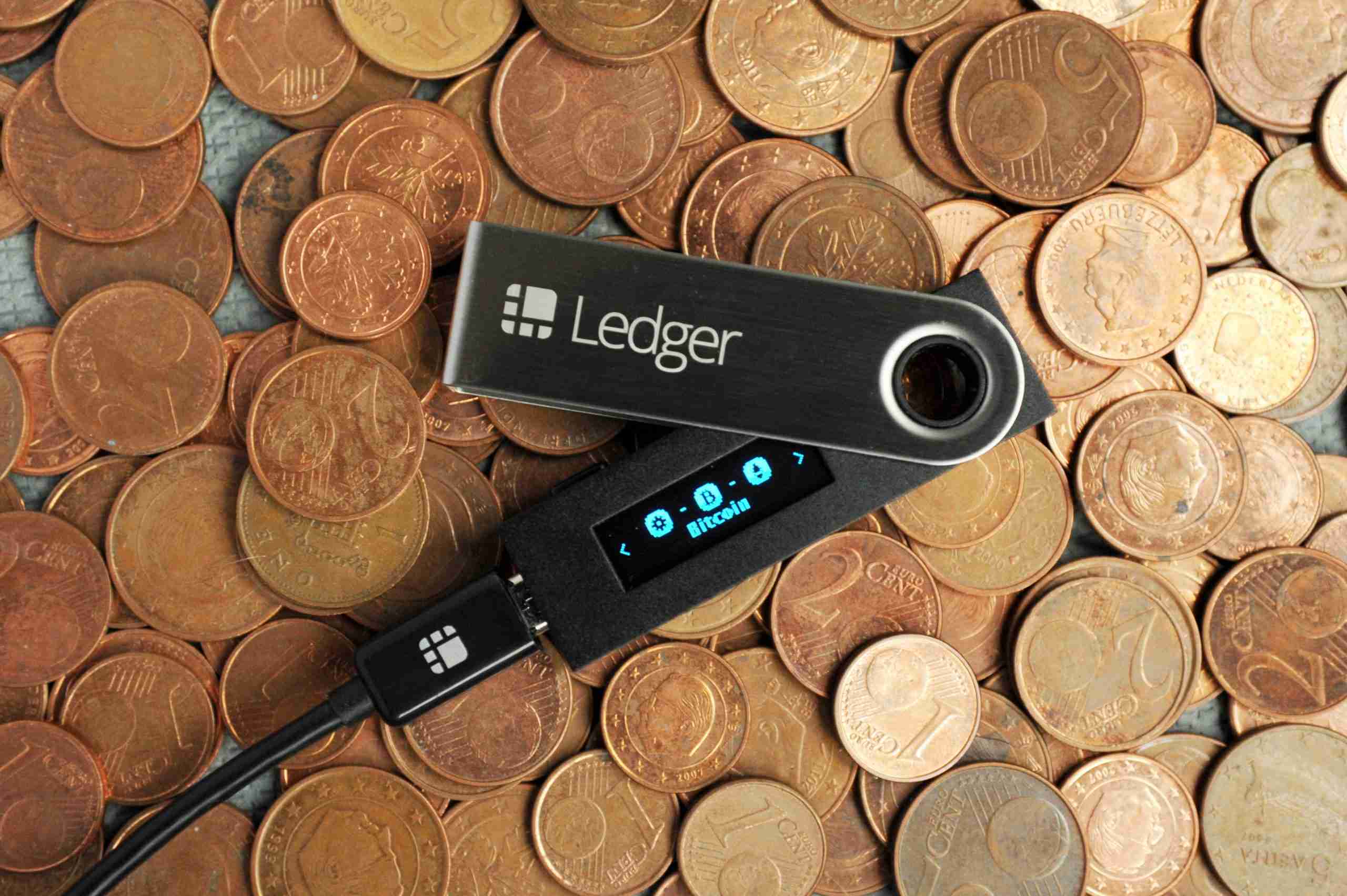
Cold Wallet Vulnerabilities: How Physical Attacks Succeed
Hardware wallet physical attacks exploit five main vulnerability classes: power glitching (manipulating voltage to bypass security), side-channel attacks (analyzing power consumption or electromagnetic emissions), phishing with fake devices, clipboard malware (replacing wallet addresses during copy-paste), and memory extraction during firmware updates. Institutional cold wallets face additional risks including 4-24 hour signing latencies, physical access dependencies, and limited real-time auditability—gaps that criminals exploit through surveillance and insider intelligence.
In fact, as crypto adoption rapidly expands, various regulatory authorities have imposed stringent compliance and custody requirements to ensure standards meet evolving risks and to safeguard investors’ assets.
What Regulatory Requirements Apply to Cold Wallet Custody?
Cryptocurrency custody regulations vary significantly across major financial hubs: Hong Kong’s SFC mandates 24/7 security operations monitoring and withdrawal limits to whitelisted addresses (August 2025 circular); London’s FCA requires third-party audits and role-based access controls under consultation papers CP25/14 and CP25/15; New York’s NYDFS BitLicense demands a $500,000 minimum surety bond, prior approval for new virtual currency activities, and multi-signature wallet requirements for institutional custody operations.
Regulatory Requirements Comparison: Hong Kong, London, New York
| Jurisdiction | Regulator | Key Cold Wallet Requirements | Multi-Signature | 24/7 Monitoring |
| Hong Kong | Securities & Futures Commission (SFC) | Certified HSMs, withdrawal limits to whitelisted addresses only, physical access controls, Security Operations Center | Required | Mandatory (Aug 2025 circular) |
| London/UK | Financial Conduct Authority (FCA) | Third-party audits, role-based access controls, AML/KYC protocols, prudential standards (CP25/14, CP25/15) | Required | Required |
| New York | NY Dept of Financial Services (NYDFS) | $500K minimum surety bond, $5K application fee, prior approval for activities, cybersecurity standards (23 NYCRR 500) | Required for institutions | Required |
Hong Kong’s Securities and Futures Commission (SFC) mandates certified hardware modules, withdrawal limits to whitelisted addresses, and 24/7 security operations monitoring, alongside physical access controls. In parallel, London and New York regulators enforce rigorous compliance through mandatory multi-signature wallets, strong role-based access controls, regular third-party audits, and AML/KYC protocols to ensure asset protection and operational transparency.
The greatest threats are no longer just remote hackers attempting to breach digital defences. It is coordinated syndicates using OSINT to profile high-value targets, technical surveillance to monitor their movements, and physical violence to force asset transfers. As cryptocurrency values continue to surge, the incentives for these hybrid attacks intensify dramatically, expanding the security perimeter from the digital ledger to the boardroom, the family home, and the daily commute.

Why Do Crypto Holders Need TSCM Services?
Technical Surveillance Countermeasures (TSCM)—also known as bug sweeping or electronic counter-surveillance—detect and neutralize hidden cameras, microphones, GPS trackers, and signal interceptors that criminals deploy to monitor crypto custody operations before launching kidnapping or theft operations. For cryptocurrency custody handling billions in assets, quarterly TSCM sweeps of offices, residences, vehicles, and cold storage areas are the industry standard to prevent the $2.17 billion stolen annually from cryptocurrency platforms through hybrid attacks combining digital intelligence gathering and physical violence.
Apart from OSINT being used to identify the perfect targets, corporates and individuals face the same pre-emptive threat: technical surveillance that precedes physical targeting. Sensitive conversations about identifiable personal information, cold wallet locations, investment strategies, or security protocols can be captured through hidden devices, providing criminals with the intelligence needed to plan precise physical operations.
What Is TSCM (Technical Surveillance Countermeasures)?
Technical Surveillance Countermeasures (TSCM) are specialized security services that detect, locate, and neutralize covert electronic surveillance devices including: hidden cameras monitoring cold wallet access procedures, audio bugs capturing seed phrase discussions, GPS trackers on vehicles used to transport crypto executives, RF transmitters in offices where custody operations occur, Wi-Fi interceptors capturing network traffic, and cellular signal interceptors monitoring communications. TSCM uses RF spectrum analyzers, non-linear junction detectors, and software-defined radios to identify surveillance threats before criminals use gathered intelligence for kidnapping operations.
TSCM measures, which I-OnAsia has extensive experience in providing for various private and corporate clients, provide critical protections beyond digital defences. By detecting and neutralising covert electronic surveillance devices such as hidden cameras, microphones, GPS trackers, or signal interceptors, TSCM ensures that your physical premises and communications remain confidential and tamper-free.
A robust TSCM program which I-OnAsia can adeptly provide involves continuous sweeps of offices, residences, vehicles, and travel accommodations—all environments where sensitive wallet management or strategic discussions may occur. We specialize in securing cold storage areas where offline wallets are maintained on devices such as USB memory sticks, hard drives, or paper records before being transferred to safes or hidden locations. Our methodology includes:
- Regular quarterly TSCM inspections to limit windows of vulnerability
- Detection of covert spy cameras that might be deployed to monitor cold wallet access procedures or seed phrase retrieval
- Holistic information security assessments that consider multiple potential information loss vulnerabilities beyond electronic surveillance
- Detailed reporting documenting due diligence on the part of the client organization, creating a defensible security position
How Often Should TSCM Sweeps Be Conducted for Crypto Operations?
Industry best practice recommends quarterly TSCM sweeps for high-risk crypto custody environments, with continuous 24/7 monitoring for critical facilities such as data centers, board rooms, or locations storing cold wallets. Additional sweeps should occur after any personnel changes, security incidents, high-profile transactions, or when threat intelligence indicates elevated targeting risk. For UHNW individuals, sweeps should cover offices, primary and secondary residences, vehicles, and travel accommodations where sensitive wallet management discussions occur.
TSCM Service Coverage for Crypto Security Operations
| Service Level | Coverage Areas | Detection Methods | Recommended Frequency | Best For |
| Basic TSCM Sweep | Office spaces, meeting rooms, board rooms | RF spectrum analysis, non-linear junction detection, visual inspection | Quarterly | Standard corporate crypto operations |
| Comprehensive Sweep | Offices, residences (primary/secondary), vehicles, cold storage areas | RF analysis + physical inspection + network security audit + thermal imaging | Quarterly + after incidents | UHNW individuals, institutional custodians |
| Continuous Monitoring | Critical facilities (data centers, custody operations rooms, executive residences) | Real-time RF monitoring systems, 24/7 Security Operations Center | 24/7 ongoing | High-value custody operations, regulatory compliance |
| Travel Security | Hotels, temporary accommodations, conference venues, transport vehicles | Portable RF detection, rapid deployment sweeps | Before each trip/event | Crypto executives with travel exposure |
Beyond TSCM, penetration testing and comprehensive security reviews audit wider physical security posture—guard protocols, access management, IT physical controls, staff vetting, and emergency response plans. For institutional clients, we conduct comprehensive vendor due diligence on custodial services, examining their regulatory compliance, insurance coverage, audit reports, and operational history to mitigate counterparty risk. A pre-emptive holistic service I-OnAsia provides, which can encompass most, if not all, of these aspects, is security surveys.
What Is a Security Survey and Why Do Crypto Holders Need One?
A security survey is a comprehensive assessment evaluating physical security, access controls, surveillance systems, network security, operational procedures, and compliance protocols to identify vulnerabilities before criminals exploit them. For crypto custody operations, security surveys provide data-driven insights into how criminals might surveil cold wallet locations, exploit personnel weaknesses, breach physical barriers, or use insider intelligence to plan kidnapping operations—enabling prioritized remediation that prevents the hybrid digital-physical attacks that caused $2.17 billion in crypto theft in H1 2025.
Security surveys are foundational assessments conducted to evaluate and provide a current and clear snapshot of the security environment of an individual, facility, or organisation. When protecting your crypto assets—especially cold wallets—and safeguarding individuals who may be at risk of being kidnapped, security surveys provide essential data-driven insights which are necessary for understanding vulnerabilities, implement prioritised remediation, and meet evolving compliance demands.
A security survey includes:
- Physical Security: This involves assessing the robustness of the premises where crypto assets are stored or managed. Elements inspected include structural barriers (reinforced doors, walls, etc.), environmental protections against fire and water damage, and secured backup locations. These measures help prevent forced entry, tampering, or accidental loss of key materials.
- Access Control: Evaluating controls for entry into sensitive areas ensures only authorised personnel can approach critical assets. This includes biometric systems such as fingerprint scanners, mantraps or security airlocks, token-based authentication, and strict visitor management.
- Surveillance & Monitoring: The survey checks for effective surveillance infrastructure, including CCTV coverage, adequate lighting, motion detection, and alarm systems integrated with security operations centres. Real-time monitoring capabilities and event logging enhance early threat recognition and forensic investigations.
- Communication & Network Security: While cold wallets are offline, operational activities around them depend on secure communication. This includes encrypted voice and data channels, network segmentation to isolate custody operations, endpoint security for devices involved, and rigorous policies governing IT access to prevent cyber intrusions or insider exploits.
- Operational Procedures & Compliance: The survey would review standard operating procedures governing key management, transaction authorisation, emergency response, and incident reporting. Adherence to relevant regulation frameworks—such as Hong Kong’s SFC custody rules, the US SEC guidelines, and UK FCA standards—is also verified. The competence and awareness of personnel regarding security protocols and insider threat mitigation form part of this evaluation.
- Threat & Vulnerability Analysis: Finally, security surveys incorporate dynamic risk assessments reflecting local crime trends, insider threat profiles, and intelligence on emerging tactics such as crypto-linked kidnappings. Scenario-based testing, social engineering vulnerability assessments, and continuous threat monitoring ensure the security posture remains adaptive and resilient.
5-Step Cold Wallet Security Protocol
Step 1: Physical Security
Store cold wallet devices in vaults or safes with biometric access controls, Faraday cages to block RF signals, security personnel monitoring access, and geographically distributed backup storage locations to prevent single points of failure.
Step 2: TSCM Sweeps
Conduct quarterly sweeps minimum for high-risk environments; implement 24/7 continuous monitoring for facilities storing cold wallets; perform sweeps after any personnel changes, security incidents, or when threat intelligence indicates elevated risk.
Step 3: Personnel Vetting
Execute comprehensive background checks on all personnel with custody access, implement insider threat mitigation programs with behavioral monitoring, enforce role-based access controls ensuring no single individual has complete access, require multi-party authorization for transactions.
Step 4: Operational Security
Use encrypted communications for all discussions involving custody operations, implement network segmentation isolating custody systems, prohibit discussion of security measures on social media or public forums, employ need-to-know information compartmentalization.
Step 5: Incident Response Planning
Develop emergency procedures for kidnapping, coercion, or breach scenarios, establish law enforcement contacts in all operating jurisdictions, prepare ransom negotiation protocols with K&R insurance providers, conduct regular tabletop exercises and security drills.
By engaging an experienced third-party due diligence firm such as I-OnAsia for a security survey, individuals and organisations stand to be empowered by a clear picture of their security strengths and weaknesses. This enables clients to form a prioritised roadmap for mitigation, top-tier compliance, and airtight defence against an evolving range of digital and physical threats impacting crypto custody and associated individuals.
What Compliance Controls Prevent Crypto Custody Failures?
Effective cryptocurrency custody compliance combines multi-factor authentication (hardware tokens + biometrics + PINs), role-based access controls preventing single points of failure, segregation of duties across personnel, key ceremony protocols for secure private key generation and storage, immutable audit trails, and withdrawal address whitelisting—all tailored to jurisdictional standards including Hong Kong’s SFC 24/7 monitoring mandate, UK FCA third-party audits, and NYDFS BitLicense requirements. These controls transcend mere regulatory box-checking to build trust among clients, partners, regulators, and insurers while preventing the compliance failures that enable insider threats and physical attacks.
Cryptocurrency custody compliance transcends the simple goal of avoiding fines. It serves as the foundation for building and sustaining trust among clients, partners, regulators, and insurers. Effective compliance controls weave together policy, technology, people, and governance, crafting an unassailable custody operation.
Key compliance pillars include:
- Multi-Factor Authentication (MFA): Combining hardware tokens, biometrics, and PINs to enforce multi-layered access.
- Role-Based Access Controls (RBAC): Defining who gets to do what, ensuring no single point of failure.
- Segregation of Duties: Splitting responsibilities across personnel to avoid conflicts and fraud.
- Key Ceremony Protocols: Managing the generation, storage, and usage of cold wallet private keys in secure, controlled environments.
- Auditable Trails: Maintaining immutable logs of custody actions for regulatory scrutiny and incident response.
- Whitelisting of Withdrawal Addresses: Preventing unauthorized transfers by pre-approving safe destinations.
These controls must be embedded in tailor-made protocols reflecting client risk posture and jurisdictional standards, especially in crypto hotspots like NYC, London, and Hong Kong.
How Do Criminals Track and Identify Crypto Holders?
Criminals use five primary OSINT (Open-Source Intelligence) techniques to identify and profile cryptocurrency targets: blockchain analysis tracking large wallet transactions to real-world identities, social media mining for wealth signals and location patterns, data breach exploitation correlating leaked email addresses with crypto exchange accounts, public record searches linking property ownership to crypto wealth, and LinkedIn/professional network analysis identifying crypto executives and their daily routines. HUMINT (Human Intelligence) complements OSINT through insider intelligence from disgruntled employees, social engineering to elicit security details, and physical surveillance reconnaissance after digital profiling identifies high-value targets.
I-OnAsia’s investigative services, blending OSINT and HUMINT, fill this critical gap.
- Open-Source Intelligence (OSINT) scours the digital footprint for insights into individuals and entities: social media behaviour, digital asset ownership traces, adverse media, litigation records, public registrations, and emerging threat actors. This extensive data collection is essential in identifying risk flags early. For instance, leaks or social media posts revealing personal schedules or asset locations can lead to physical targeting.
- Human Intelligence (HUMINT) complements OSINT by gathering intelligence from human sources, interviews, and field contacts. This rich, contextual input verifies online data, exposes concealed motives or undisclosed relationships, and uncovers insider threats. HUMINT is critical in contentious cases, such as vetting custodial staff or investigating potential fraud or coercion within organizations. It is also useful in conducting discreet inquiries in regions where digital records are scarce or unreliable.
Warning Signs of Crypto Kidnapping Surveillance
| Category | Specific Indicators | Risk Level | Recommended Action |
| Physical Surveillance | Unfamiliar vehicles repeatedly parked near home/office; same individuals encountered in multiple unrelated locations | High | TSCM sweep, vary routines, law enforcement notification |
| Social Engineering | Unexpected service personnel (cleaners, repairs, deliveries); direct questions about security measures or schedules | Medium-High | Personnel vetting review, visitor management audit, security awareness training |
| Digital Footprint | New social media followers with no mutual connections; unusual interest in family routines or travel plans | Medium | Privacy settings review, OSINT vulnerability assessment, reduce public exposure |
| Electronic Indicators | Electronic device malfunctions suggesting tampering; unexplained network activity; unusual battery drain | High | Immediate TSCM sweep, device forensics, network security audit |
By utilising both HUMINT and OSINT, I-OnAsia can help pre-emptively assess you or your company’s vulnerabilities and reputational risk, as well as assess for insider threats and regulatory non-compliance.
How Do Security Threats Differ Across Hong Kong, London, and New York?
Each financial hub presents distinct cryptocurrency security challenges: Hong Kong and Asia-Pacific face cross-border asset recovery complications with diverse legal frameworks requiring HUMINT networks for regional investigations; London’s sophisticated fraud ecosystem and geopolitical complexity demand discrete intelligence gathering and multinational adverse media screening; New York’s aggressive regulatory scrutiny (SEC, NYDFS) creates corporate liability concerns requiring compliance-first frameworks and rapid-response TSCM to meet duty of care obligations and prevent shareholder lawsuits following security incidents.
At each of I-OnAsia’s three long-established locations, we are well-suited to serve the core clients quintessential to the regions of New York, Hong Kong, and London. Our cross-continent work enables us to have a holistic and international perspective on all cases coming our way.
In Hong Kong and the Asia-Pacific region, UHNWIs and family offices are rapidly diversifying into digital assets while valuing discretion. The proximity to jurisdictions with different legal frameworks complicates investigations and asset recovery. Our services here emphasize cross-border due diligence leveraging HUMINT networks, TSCM for dense urban environments, and regulatory navigation through evolving APAC frameworks including the SFC’s August 2025 custody circular mandating 24/7 security operations monitoring and withdrawal restrictions to whitelisted addresses only.
In London, the city’s status as a global & European financial hub makes it a centre for sophisticated fraud and intelligence-gathering operations by criminal syndicates. Regulatory innovation combined with a strong financial services ecosystem requires compliance controls that are audited meticulously, alongside discreet, covert HUMINT gathering to navigate a complex geopolitical landscape. Our focus here also includes travel security integration, deep-dive OSINT analysis of social and professional circles, and adverse media screening with multinational coverage aligned with UK FCA consultation papers CP25/14 and CP25/15 requiring third-party audits and role-based access controls.
In New York City, corporate risk managers face significant liability concerns, with the primary focus on duty of care obligations and potential shareholder lawsuits following security incidents. In addition, NYC is a melting pot of high-net-worth individuals intertwined with aggressive regulatory scrutiny from the SEC and NYDFS. I-OnAsia’s services here can meet the client demand for hands-on, rapid-response TSCM, as well as vendor security audits and a compliance-first framework aligning with SEC guidelines, NYDFS BitLicense requirements (including $500,000 minimum surety bonds and prior approval for new virtual currency activities), and financial regulations.
I-OnAsia’s capabilities across these cities and across the fabric of compliance and due diligence ensures that clients do not receive generic solutions, but rather bespoke risk mitigation tailored to their jurisdiction, culture, and environment.

Is Insurance Available for Crypto Kidnapping Ransom?
Yes, kidnap and ransom (K&R) insurance policies specifically covering cryptocurrency-related abductions are available and experiencing surging demand in 2025. These specialized policies cover ransom payments, crisis response team deployment, negotiation services, victim medical care, and rehabilitation costs. Insurance providers maintain confidentiality about coverage limits and premiums, which are calculated based on individual exposure profiles including crypto holdings visibility, public profile, travel patterns, and existing security measures. The 2025 surge in crypto kidnappings (67 incidents across 44 countries) has made K&R policies increasingly essential for UHNW crypto holders and institutional custodians.
Frequently Asked Questions: Crypto Security & TSCM
What is the difference between TSCM and penetration testing?
TSCM (Technical Surveillance Countermeasures) detects physical surveillance devices like hidden cameras, microphones, and GPS trackers used for reconnaissance before physical attacks. Penetration testing evaluates cyber vulnerabilities in networks, applications, and digital systems. Both are necessary for comprehensive crypto custody security: TSCM prevents criminals from gathering intelligence through physical surveillance, while penetration testing secures digital access to custody systems. I-OnAsia provides both services as part of integrated security programs.
How much does a TSCM security sweep cost for crypto custody?
TSCM costs vary by scope and geography. These costs are negligible compared to potential losses—the average crypto kidnapping involves millions in ransom demands, and $2.17 billion was stolen from cryptocurrency platforms in H1 2025 alone. I-OnAsia provides customized quotes based on risk profile, geographic requirements, and coverage scope.
Can stolen cryptocurrency be recovered after a kidnapping?
Recovery success depends on rapid law enforcement response and blockchain traceability. In the January 2025 David Balland/Ledger kidnapping, French authorities traced, froze, and seized most of the ransom payment within 48 hours. However, many cases result in permanent loss because cold wallet transactions are irreversible and criminals use mixing services or privacy coins to obscure trails. Prevention through TSCM, security surveys, and compliance controls is far more effective than post-incident recovery.
What happens if crypto custody doesn’t meet regulatory requirements?
Penalties vary by jurisdiction but include license revocation, criminal charges, civil fines, and reputational damage. Hong Kong’s SFC can revoke virtual asset trading platform licenses for custody failures. UK FCA can impose unlimited fines and ban firms from cryptoasset operations. NYDFS can suspend BitLicenses, levy civil penalties, and pursue criminal charges. Beyond regulatory penalties, non-compliance enables successful legal claims from clients, shareholder lawsuits, insurance coverage denials, and permanent business closure.
How do I choose a TSCM provider for crypto operations?
Select TSCM providers with: (1) Demonstrated experience in financial services and cryptocurrency security, (2) Geographic presence in your operating jurisdictions (Hong Kong, London, New York), (3) Advanced detection equipment (RF spectrum analyzers, non-linear junction detectors, thermal imaging), (4) Certified personnel with credentials like CPP (Certified Protection Professional) or industry-specific training, (5) Comprehensive reporting that documents due diligence for regulatory purposes, (6) Integrated services combining TSCM with security surveys, compliance audits, and OSINT/HUMINT investigations. I-OnAsia’s 25+ years in business intelligence across three global financial hubs provides this comprehensive capability.
What are the most common surveillance devices criminals use?
Criminals most frequently deploy: RF transmitters hidden in wall outlets or electronics (continuous audio surveillance), miniature cameras in smoke detectors or USB chargers (monitoring cold wallet access procedures), GPS trackers on vehicles (tracking daily routines), Wi-Fi Pineapples (intercepting network traffic), cellular IMSI catchers (monitoring mobile communications), and keyloggers on computers used for custody operations. Quarterly TSCM sweeps using RF spectrum analysis and non-linear junction detection identify these devices before criminals use gathered intelligence for kidnapping operations.
How long does a comprehensive TSCM sweep take?
Timeframes depend on scope: Basic office sweep (meeting rooms, executive offices): 4-8 hours. Comprehensive sweep (office + residence + vehicles + cold storage areas): 1-2 days. Critical facility continuous monitoring installation: 3-5 days initial setup, then ongoing 24/7 monitoring. Travel security rapid deployment: 2-4 hours pre-event sweep. I-OnAsia’s methodology includes pre-sweep threat assessment, on-site detection with multiple technologies, forensic documentation, detailed reporting, and remediation recommendations.
What should I do if I suspect I’m under surveillance?
Immediate steps: (1) Do not alter behavior or discuss suspicions on potentially monitored devices, (2) Contact I-OnAsia or a qualified TSCM provider for emergency sweep and security review scheduling, (3) Vary your routines and routes unpredictably, (4) Notify law enforcement if you observe direct threats or repeated physical surveillance, (5) Implement additional security measures (security personnel, residence monitoring, travel security), (6) Review and restrict social media presence, (7) Conduct emergency security survey of all locations. Time is critical—criminals typically surveil targets for days or weeks before launching kidnapping operations.
Don’t Wait for The Worst
In the digital asset space, comprehensive security practices appear to remain the exception rather than the rule, even despite the fact that immense wealth is transferred across the industry on a daily basis. But the convergence of threats dramatically raises the cost of inaction or complacency, creating a gap in your security that you might not know or believe to be a concern until it is too late.
- Crypto-linked kidnappings (enacted by both unknown entities and those know to the victim) have skyrocketed, with devastating human costs and irreparable financial losses. 67 incidents across 44 countries in 2025, with physical crypto attacks doubling compared to 2024.
- Regulatory bodies are intensifying custody requirements, increasing penalties for non-compliance and raising reputational risks. Hong Kong’s SFC August 2025 circular mandates 24/7 monitoring; UK FCA consultation papers require third-party audits; NYDFS BitLicense demands $500,000 surety bonds.
- Adversaries employ unexpected and daring hybrid tactics that are far more nuanced than the classic, simplistic hacks—blending cyber, psychological, and physical attacks. $2.17 billion stolen from crypto services in H1 2025, with 23.35% from personal wallet compromises including wrench attacks.
A fragmented security approach risks leaving blind spots vulnerable to exploitation. Investing in the services I-OnAsia provides, such integrated TSCM, comprehensive security reviews, enforceable compliance regimes, and robust investigative capabilities, is the only way to maintain asset integrity, personal safety, and business trust in this volatile environment.
The security of a cold wallet is only as strong as the security of the person who controls it. In the digital asset era, the disciplines of technical security, intelligence gathering, and physical protection have irrevocably merged. The question is no longer if organizations need an integrated strategy, but whether they can afford the catastrophic consequences—financial, reputational, and human—of not having one.
Contact I-OnAsia for Crypto Security Assessment
I-OnAsia provides integrated TSCM, security surveys, compliance audits, and OSINT/HUMINT investigations for cryptocurrency custody operations across Hong Kong, London, and New York. Our 25+ years of experience in business intelligence and corporate security enables us to deliver bespoke risk mitigation tailored to your jurisdiction, culture, and threat environment.
Services Include:
- Quarterly TSCM sweeps and 24/7 continuous monitoring
- Comprehensive security surveys for cold wallet storage facilities
- Regulatory compliance audits (SFC, FCA, NYDFS requirements)
- Personnel vetting and insider threat assessments
- Travel security for crypto executives
- Emergency response planning and incident management


